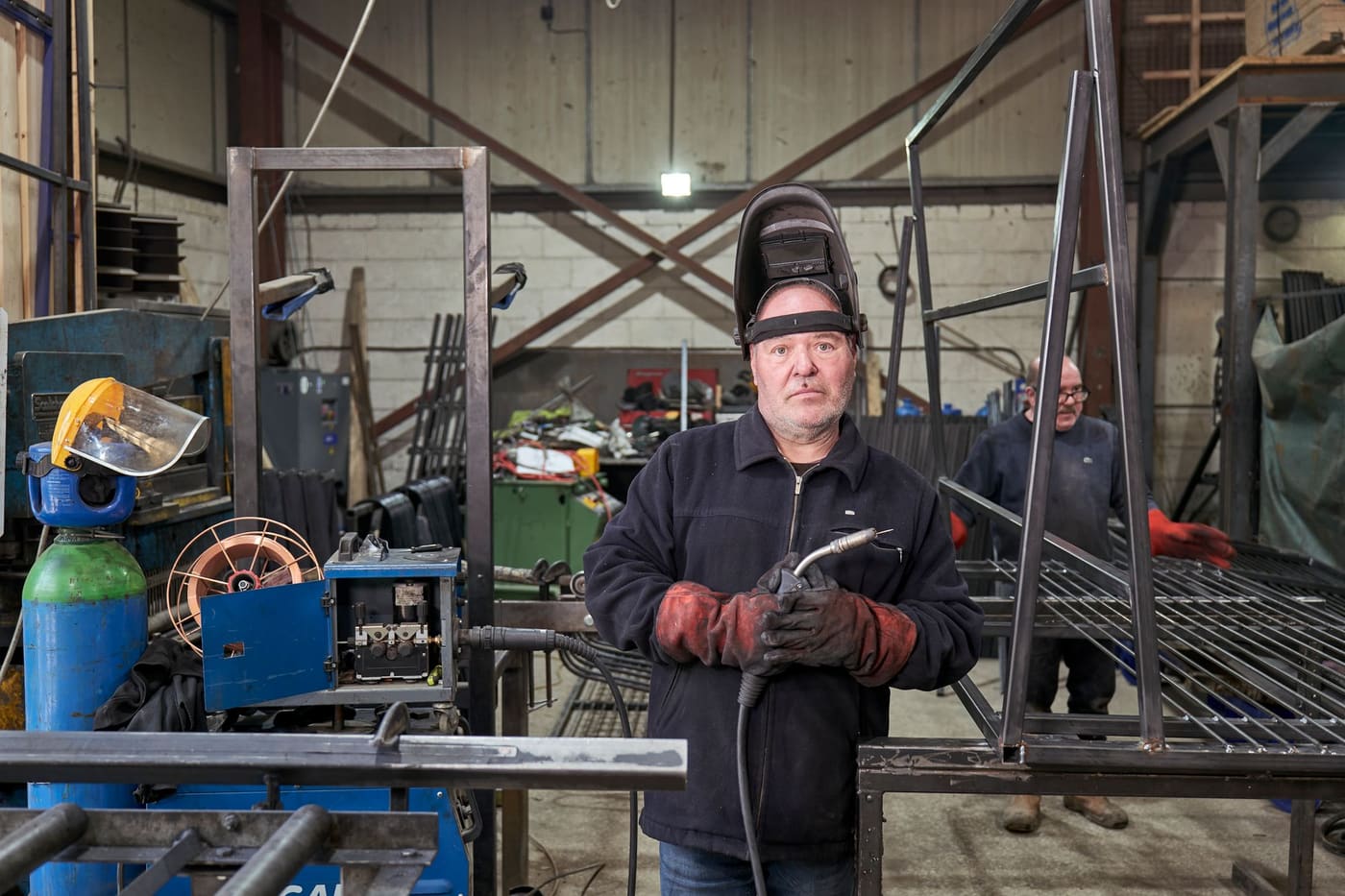
How Do Welding Apprenticeship Programs Work?
Welding apprenticeship programs are paid jobs that pair on-the-job training, often 2,000 hours a year, with classroom instruction over three to five years. Most run through the trades that weld every day: pipefitters, boilermakers, ironworkers and millwrights, sponsored by unions, contractor associations and employers. You must be at least 16, most programs want a high school diploma, and applicants with welding training can get priority, which is why many people finish a short welding school program before they apply.
A welding apprenticeship gets you paid to learn the trade, but almost none of them carry the word “welding” in the title. The programs that train the most welders belong to the pipe, boiler, steel and machinery trades. Knowing which trade fits the welding you want to do is the first decision, and it decides whether you should apply now or spend a few months in a welding program first.
How Welding Apprenticeship Programs Work
A registered apprenticeship is a paid job with a training plan attached. You work under experienced welders and fitters, take related classes, and earn a credential when you finish. Apprenticeship.gov describes it as paid work experience with a mentor, progressive wage increases, classroom instruction and a portable, nationally recognized credential.
Federal rules in 29 CFR 29.5 set the floor every registered program has to meet:
- On-the-job learning. A time-based program requires at least 2,000 hours. Programs can also measure progress by demonstrated competency, or blend the two.
- Classroom hours. At least 144 hours of related instruction per year is recommended. In the welding trades that means blueprint reading, math, codes and safety.
- Pay that rises. Wages follow a progressively increasing schedule tied to the skills you gain, and the starting wage can’t fall below the federal minimum wage where that law applies.
- A probation period. It can’t run longer than 25% of the program or one year, whichever is shorter, and it counts toward completion.
When you finish, you are a journey-level worker, qualified to work without direct supervision.
Which Trades Run Welding Apprenticeships
Most union welding apprenticeship programs sit inside four trades. Each one welds a different kind of work, and each runs on a different clock.
| Trade | Typical length (BLS) | What you weld | Who sponsors it |
|---|---|---|---|
| Pipefitter and steamfitter | 4 or 5 years | Industrial pipe systems | Unions, trade associations, businesses |
| Boilermaker | 4 years | Boilers, vats and other large vessels | Unions, contractor associations |
| Ironworker | 3 or 4 years | Structural steel in buildings and bridges | Unions, contractor associations |
| Millwright | 3 or 4 years | Industrial machinery installs and repairs | Employers, local unions, contractor associations, state labor departments |
If pipe welding is the goal, the pipefitter route is the direct one; the pipe welder career guide covers the 6G and code tests that work requires. If you’d rather weld structural steel, read the ironworker career guide. The millwright guide covers plant and machinery work, where welding is one skill among several.
Employers also sponsor their own welding apprenticeships. BLS says some take entry-level workers with no experience, while others are aimed at people who have already finished a welding program.
What You Need to Apply
Requirements vary by sponsor, but the baseline is consistent across the trades:
- Age. The federal standard sets a minimum starting age of 16. Each sponsor sets its own entry qualifications on top of that, so read each application closely.
- Education. BLS says a high school diploma or equivalent is generally required for ironworker apprenticeships and typically required for pipefitters.
- Math and blueprint reading. BLS lists math, blueprint reading and welding courses as useful preparation for ironworkers.
- Welding courses, for some pipe programs. BLS notes vocational schools teach welding courses that some pipefitter and steamfitter apprenticeships require.
Is It Hard to Get Into a Union Apprenticeship?
It can be competitive, and experience is what moves you up the list. BLS says boilermaker applicants with previous welding or related experience, including military experience, may have priority over applicants without it. The same page notes that applicants with experience or education may qualify for a shortened apprenticeship.
That is the strongest argument for some formal training first. A few months of booth time gives you something concrete to show: processes you can run, positions you can pass, and a transcript. It also helps you through the probation period, when either side can end the agreement without stating a cause.
A pre-apprenticeship is the other way in. Apprenticeship.gov defines it as a program that prepares you to enter and succeed in a registered apprenticeship. Many are housed at high schools and community colleges, and the strongest ones have agreements with sponsors that let graduates enter directly.
Welding School First or Straight Into an Apprenticeship?
Apply straight away if a sponsor near you takes entry-level applicants and you already have the math and mechanical background. Start with a short welding program if you have no welding experience, want pipe work, or have been turned down before.
| Straight into an apprenticeship | Welding program first | |
|---|---|---|
| Pay while training | From the first day | After you finish and get hired |
| Upfront cost | Low | Tuition, books and supplies |
| Chance of acceptance | Depends on openings and ranking | Higher where welding experience earns priority |
| Time to journey level | Full apprenticeship term | Possibly shorter where experience earns credit |
| Best for | People with trade experience or a sponsor hiring now | Career changers starting from zero |
A certificate is usually enough for this purpose. The welding certificate vs associate degree comparison explains when the longer degree pays off instead. To pay for a program, start with Pell Grants, the GI Bill and other financial aid for welding school.
Welding Programs That Lead Into Union Apprenticeships
These three college welding programs name union trades as a destination for their graduates.
| School | Program | Tuition and fees, 2024-25 | Books and supplies, 2024-25 | Union connection |
|---|---|---|---|---|
| John A. Logan College, Carterville, IL | Welding Technology AAS, 62 credit hours | $4,630 in-district | $1,526 | Prepares graduates for boilermaker, pipefitter and structural steel union positions |
| Moraine Valley Community College, Palos Hills, IL | Welding Advanced Certificate, 33 credit hours | $3,822 in-district | $1,632 | Graduates have joined the Pile Drivers Union and Pipefitters Local 597 |
Tuition and fees, 2024-25, in-district; books and supplies, 2024-25. Source: NCES College Navigator.
Best for a short path into the Chicago pipe trades: Moraine Valley. Its Advanced Certificate is designed to be finished in about three semesters, and its graduates have gone on to work in Pipefitters Local 597.
Best for a full degree aimed at union trades in southern Illinois: John A. Logan. Its AAS pairs plate, pipe and TIG work with construction document courses.
Best for advanced placement with the Ironworkers, Pipefitters or Boilermakers: Montana State University Billings. Its City College Welding and Metal Fabrication Technology AAS says graduates may qualify for advanced placement in those three unions. The program starts in fall only.
Elsewhere in the state, see the Illinois welding schools page, or browse every welding school by state.
How to Find a Welding Apprenticeship Near You
Start with the federal search, then go to the trades directly.
- Search the Apprenticeship Job Finder for pipefitter, boilermaker, ironworker, millwright and welder openings in your area.
- Contact the local union halls and joint apprenticeship training committees for those trades, and ask when their next application window opens.
- Visit an American Job Center. Apprenticeship.gov points career seekers who need more guidance to these centers, which help people get into apprenticeships.
- Ask local community college welding departments which sponsors hire their graduates.
While you wait for a window to open, a passed weld test is one of the most useful things you can add to an application. The guide to AWS welding certification explains how the Certified Welder test works and where to take it.
Frequently Asked Questions
Do Welding Apprentices Get Paid?
Yes. A registered apprenticeship is a paid job from the first day. Federal standards require a progressively increasing wage schedule tied to the skills you gain, and the starting wage can't be below the federal minimum wage where that law applies.
How Long Is a Welding Apprenticeship?
It depends on the trade. BLS reports most pipefitter apprenticeships last 4 or 5 years, boilermaker apprenticeships typically 4 years, and ironworker and millwright apprenticeships 3 or 4 years. A time-based registered program needs at least 2,000 hours of on-the-job learning in total.
Is 40 Too Old to Start a Welding Apprenticeship?
The federal standard sets only a minimum starting age of 16, and each sponsor sets its own entry qualifications. What helps an older applicant most is welding experience: BLS says boilermaker applicants with welding or related experience may get priority. A short welding certificate program is the quickest way to build it.
Do You Need Welding Certification Before an Apprenticeship?
Not usually. Apprenticeships teach and test you on the job. A certificate program or an AWS Certified Welder test makes your application stronger, though, and some pipefitter apprenticeships require welding courses that vocational schools teach. See how welding certification works.
What Is a Welding Pre-Apprenticeship?
A pre-apprenticeship prepares you to enter and succeed in a registered apprenticeship. Apprenticeship.gov says many are housed at high schools and community colleges, and the strongest ones have agreements that let graduates enter an apprenticeship directly.
Guides on This Topic
More Welding Guides
All posts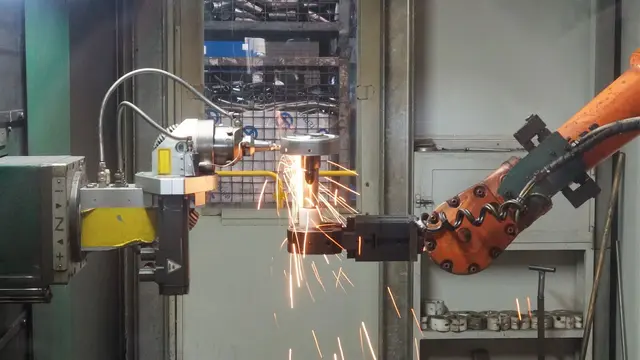
Illinois · Training
Where to Learn Robotic Welding in Illinois
Eight Illinois colleges teach robotic welding, from Triton's Robotics Welding certificate to Sauk Valley's 5-credit add-on. See what each lists and the pay.
Pennsylvania · Training
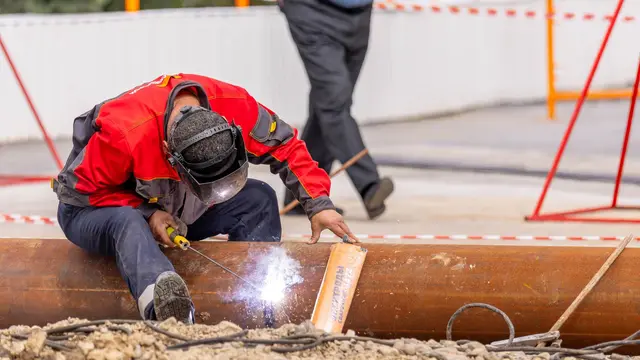
Pipe and Structural Welding Training in Pennsylvania
Pennsylvania schools that train pipe and structural welders, the codes they test to (AWS D1.1, D1.5, ASME IX, API) and what pipe welders and ironworkers earn.
Texas · Training
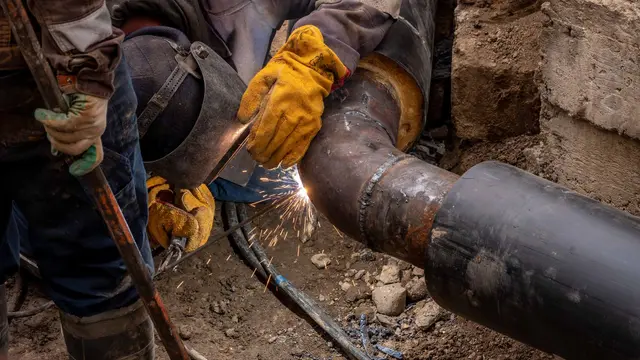
Pipe Welding Training in Texas: Where to Learn 5G and 6G Pipe
30 Texas welding schools teach pipe. Compare pipe certificates, 5G and 6G pipe tests, program lengths and cities, from Houston to El Paso.
Sources
- eCFR: 29 CFR 29.5, Standards of Apprenticeship
- Apprenticeship.gov: Career Seekers
- Apprenticeship.gov: Explore Pre-Apprenticeship
- Apprenticeship.gov: Apprenticeship Job Finder
- BLS Occupational Outlook Handbook: Welders, Cutters, Solderers, and Brazers
- BLS Occupational Outlook Handbook: Boilermakers
- BLS Occupational Outlook Handbook: Plumbers, Pipefitters, and Steamfitters
- BLS Occupational Outlook Handbook: Ironworkers
- BLS Occupational Outlook Handbook: Millwrights
- NCES College Navigator: John A Logan College
- NCES College Navigator: Moraine Valley Community College